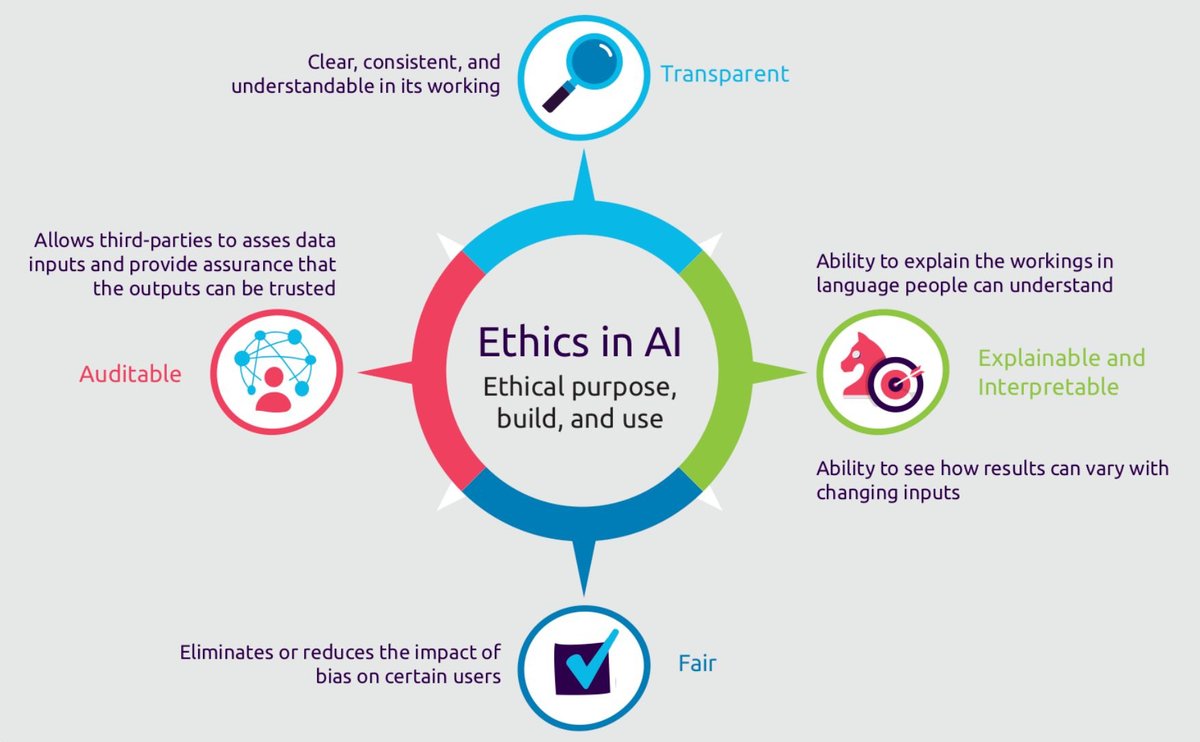
The digital landscape is a place of wonder and peril, constantly evolving. Few advancements embody this duality quite like AI-generated nudes, presenting a complex web of Ethical, Legal & Safety Implications of AI Nudes. What started as a technological curiosity has rapidly escalated into a global challenge, forcing us to confront fundamental questions about privacy, consent, and the very nature of identity in a synthetic world. From non-consensual deepfake pornography to new avenues for artistic expression, understanding this rapidly shifting terrain isn't just critical—it's essential for anyone navigating the modern internet.
At a Glance: Key Takeaways on AI Nudes
- The Core Problem: Consent: AI nudes often replicate individuals without permission, leading to severe emotional and reputational harm, as evidenced by major deepfake scandals.
- Legal Landscape is Catching Up: Over 30 countries have criminalized non-consensual AI nudes, with landmark legislation like the EU's AI Act and the U.S. DEEPFAKES Accountability Act imposing strict regulations.
- Tech Companies are Stepping Up (and Under Pressure): Platforms like Reelmind.ai are implementing safeguards such as consent verification, content moderation, watermarking, and AI forensics (e.g., AuthentiFrame) to identify synthetic media.
- Beyond Misuse: Potential for Ethical Use: AI nudes also hold promise for body-positive art, medical visualization, and virtual fashion design when created with explicit consent and ethical guidelines.
- Education is Your Best Defense: Understanding the technology, legal frameworks, and available safety tools is crucial for both creators and consumers to navigate this space responsibly.
The Unsettling Rise of AI Nudes: A Glimpse into the Deepfake World
Imagine a picture of yourself, or someone you know, circulated online—a picture that never existed, an image generated by artificial intelligence, depicting you nude. This isn't science fiction; it's a stark reality made possible by advanced image-generation tools like Reelmind.ai, which can craft hyper-realistic images from simple text prompts or uploaded photos. While the technology itself is neutral, its misuse has ignited fierce debate and profound concern worldwide.
The 2024 "Deepfake Revenge Porn" scandal served as a chilling wake-up call, demonstrating the devastating potential for non-consensual deepfake pornography. This wasn't just about doctored images; it was about the weaponization of AI to inflict emotional distress, destroy reputations, and undermine trust on a massive scale.
The Core Ethical Tightrope: Privacy, Consent, and Profound Harm
At the heart of the AI nudes discussion lies an undeniable ethical dilemma: consent. AI-generated nudes frequently replicate individuals' likenesses without their knowledge or permission. A sobering 2025 Stanford study revealed that a staggering 67% of AI-generated nudes featured recognizable faces sourced from social media platforms. This isn't just a minor infringement; it's a violation with profound consequences.
Victims of non-consensual AI nudes often report experiencing immense emotional distress, severe reputational damage, and even job loss. The psychological toll can be immense, as individuals grapple with a digital reality that has been fabricated against their will, often feeling powerless to reclaim their image or narrative. It strips away agency and can leave lasting scars.
A New Legal Frontier: Where the Law Stands on AI Nudes
In response to the escalating threat, legislative bodies worldwide have begun to act with surprising speed. By 2025, over 30 countries have taken steps to criminalize non-consensual AI nudes, recognizing the urgent need to protect individuals from this specific form of digital harm.
The European Union has led the charge with its groundbreaking AI Act, which specifically mandates consent verification for synthetic media. This legislation places a heavy burden on developers and deployers of AI systems to ensure that generated content respects individual rights and privacy. Similarly, in the United States, the DEEPFAKES Accountability Act has been enacted, imposing significant fines and penalties for the malicious use of AI-generated synthetic media, particularly when it involves non-consensual intimate imagery. These legal frameworks represent a crucial step towards holding perpetrators accountable and establishing clear boundaries for AI's use.
Tech's Role and Responsibility: Industry Self-Regulation & Safeguards
While legislation plays a vital role, the tech industry itself is under immense pressure to self-regulate and embed ethical considerations directly into its tools. Companies like Reelmind.ai, for example, are at the forefront of this effort, developing comprehensive safeguards to mitigate misuse.
Reelmind.ai's "Ethical AI" suite offers a multi-layered approach to responsible content creation:
- Consent Verification: Before users can upload reference images, they must explicitly confirm they possess the necessary rights and permissions. This puts the onus on the user, but also provides a digital paper trail.
- Content Moderation: AI-powered systems are deployed to flag potentially harmful or inappropriate outputs for human review, acting as an early warning system against misuse.
- User Education: Integrated tutorials and guides within the platform's workflows inform users about ethical AI practices, fostering a community of responsible creators.
Furthermore, technological safeguards are evolving rapidly. AI forensics, such as Reelmind's "AuthentiFrame" algorithm, are becoming indispensable. This algorithm is designed to identify synthetic media by meticulously analyzing pixel anomalies and subtle digital fingerprints unique to AI generation. To bolster these efforts, Reelmind actively partners with non-governmental organizations like StopNonConsensualAI.org, collaborating to improve detection capabilities and share best practices across the industry.
Beyond the Negatives: Ethical and Positive Applications of AI
While the ethical and legal challenges of AI nudes are significant, it's equally important to acknowledge the potential for ethical and positive applications when the technology is used responsibly and with explicit consent.
Reelmind's tools, for instance, are designed to facilitate ethical creativity through features like:
- Style Transfer: Applying artistic filters or styles to consented images, allowing for creative exploration without generating new, unauthorized likenesses.
- Model Training: Training AI models exclusively on ethically sourced and licensed datasets, ensuring that the foundational data respects privacy and intellectual property.
- Strict Community Guidelines: Enforcing robust rules for public content, fostering a safe and respectful environment for all users.
Societal implications are not uniformly negative. While some express concerns about the potential normalization of objectification, proponents highlight the utility of AI nudes in areas such as body-positive art, allowing artists to explore human forms in new, expressive ways. They also see applications in medical visualizations, where anonymized, AI-generated anatomical models can aid in education and research. Reelmind's "Positive AI" initiative actively promotes these ethical applications, for example, in the burgeoning field of virtual fashion design, where designers can create and showcase clothing on diverse, AI-generated body types without requiring real models or expensive photoshoots.
Education remains paramount. Reelmind's academy offers specialized courses on AI ethics, empowering creators and consumers alike to understand the nuances and responsibilities that come with these powerful tools.
Empowering Responsible Creation: How to Navigate the Landscape
For those interested in exploring the creative potential of AI-generated imagery, doing so ethically and legally is paramount. Platforms like Reelmind.ai are paving the way for responsible innovation, allowing users to:
- Generate Stylized or Fantastical Nudes: You can create unique, artistic nudes without any reference to real people by utilizing AI-blended stock assets. This removes the ethical minefield of unauthorized likenesses, allowing for pure imaginative creation.
- Monetize Ethically Trained Models: Creators can develop and monetize AI models trained exclusively on consented or public domain data, fostering a marketplace for responsible AI.
- Contribute to a "Safe AI" Model Marketplace: Participate in communities where models are vetted for ethical compliance, ensuring that all shared resources adhere to strict standards.
- Engage in Moderated Forums: Discuss, share, and learn in spaces governed by clear ethical guidelines, promoting responsible use and collaboration.
- Utilize Transparency Tools: Tools such as watermarking AI outputs and accessing usage analytics help maintain transparency and accountability for generated content.
When considering the capabilities of modern tools, it's worth taking a moment to Discover our AI Nudes generator and see firsthand how responsible development can balance innovation with ethics.
Addressing Common Questions About AI Nudes
The world of AI-generated content can be confusing. Let's clear up some common misconceptions.
Is it legal to create AI nudes?
The legality varies significantly by jurisdiction. If the AI nude depicts a real person without their explicit consent, it is illegal in over 30 countries and subject to laws like the EU's AI Act and the U.S. DEEPFAKES Accountability Act. Creating nudes of non-identifiable, fictional characters or using licensed stock assets is generally legal, but always check local laws.
How can I tell if an image is AI-generated?
While it's becoming harder, look for subtle imperfections. AI forensics tools like Reelmind's "AuthentiFrame" analyze pixel anomalies and metadata. Manual inspection might reveal inconsistent lighting, unusual textures, or subtle distortions in background elements that humans often overlook. Watermarking, when applied, is also a clear indicator.
What should I do if I find non-consensual AI nudes of myself?
Immediately document the evidence (screenshots, URLs) but do not share or engage with the content creator. Report the content to the platform it's hosted on, local law enforcement, and consider legal counsel. Organizations like StopNonConsensualAI.org can also offer support and guidance.
Can AI nudes be used for positive purposes?
Absolutely. When created with explicit consent or using fictional/non-identifiable subjects, AI nudes can be used for artistic expression, body-positive campaigns, medical education, virtual fashion design, and other creative applications that explore the human form in ethical ways.
Shaping the Future: A Collective Call to Action
The rapid evolution of AI technology means the conversation around ethical, legal, and safety implications of AI nudes is far from over. It's a continuous dialogue that requires vigilance, adaptability, and collaboration from all stakeholders:
- For Users: Educate yourself. Understand the capabilities and risks. Demand ethical practices from platforms. Report misuse immediately.
- For Creators: Prioritize consent above all else. Leverage tools designed for ethical creation. Explore AI's potential responsibly, using fictional assets or licensed content.
- For Platforms: Continue to innovate in safeguards, content moderation, and provenance tracking. Foster a culture of ethical AI use through robust guidelines and user education.
- For Policymakers: Stay ahead of the curve. Adapt laws to address emerging threats while supporting responsible innovation.
The future of AI-generated content lies not in stifling its potential, but in harnessing it with a deep commitment to human dignity, privacy, and safety. By working together, we can ensure that this powerful technology serves humanity, rather than harming it.